Featured

Rumored Buzz on Warning Signs When Researching a Bankruptcy Provider
Table of Contents
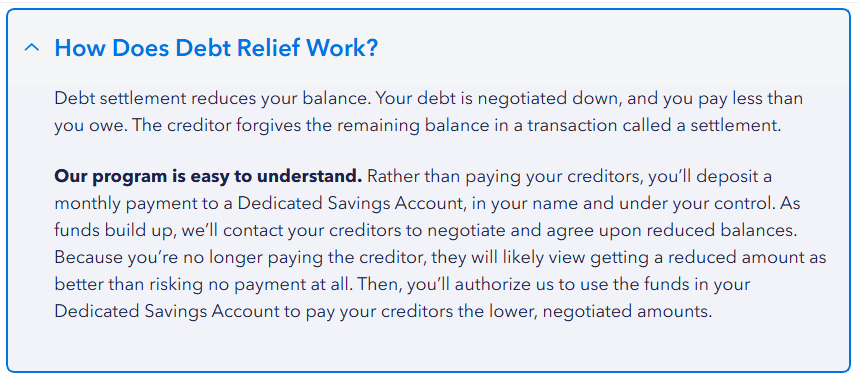
That maximizes cash in the brief term, and you may have 3 to four years to save towards the settlement amount. Extremely harmful to credit rating, mostly as a result of missed settlements and a negative "cleared up" mark that can remain on your credit rating record for up to seven yearsMay be only choice if various other alternatives (financial debt consolidation, balance transfer bank card, financial debt forgiveness) aren't possibleTypically needs a charge to the 3rd party, which might offset some or every one of the cost savings from debt settlementMay help you prevent insolvency if you've missed numerous paymentsNot all creditors function with debt settlement firms Financial debt forgiveness may be right for you if you are experiencing a financial hardship that makes it almost difficult to pay down your financial debt balances.
With a DMP, you make one month-to-month settlement to the debt counseling firm. Those funds are then dispersed to lenders of your unsafe debts, such as bank card and installment fundings. The firm functions with your financial institutions to reduce rates of interest or waive charges, however some lenders may reject such giving ins.
A financial debt combination funding combines your eligible financial obligations into one new loan. It can aid you pay down financial obligation if you're able to secure a financing price that's lower than the ordinary price of the accounts you're combining. You must avoid from racking up financial obligation on those freshly cleared accounts or your financial debt might grow even greater.

That offers you plenty of time to eliminate or dramatically reduce your equilibrium while making interest-free payments.
10 Easy Facts About Your Interests Described
You might need it if your lender or a collection agency ever before tries to collect on the debt in the future. When a lending institution forgives $600 or even more, they are required to send you Form 1099-C.
Financial debt mercy or settlement generally harms your credit. Anytime you settle a debt for much less than you owe, it might appear as "resolved" on your credit scores report and affect your credit report for seven years from the date of negotiation. Your credit can also go down considerably in the months resulting in the mercy if you fall back on repayments.
Lasting Effects of Dating and Debt: How Financial Health Impacts Modern Relationships : APFSC Choices - An Overview
This scenario frequently results from underreporting earnings, not submitting returns on time, or inconsistencies found throughout an Internal revenue service audit. The effects of gathering tax debt are significant and can include tax liens, which offer the IRS a legal insurance claim to your residential property as safety for the debt.
Greater rates of interest on available credit scores. Earnings and Bank Accounts internal revenue service can impose (seize) incomes and bank accounts to satisfy the financial debt. Decreased revenue and disruption of vital monetary procedures. Residential or commercial property Seizure In severe instances, the IRS can take and sell residential property to cover the financial obligation. Loss of useful properties and prospective displacement.
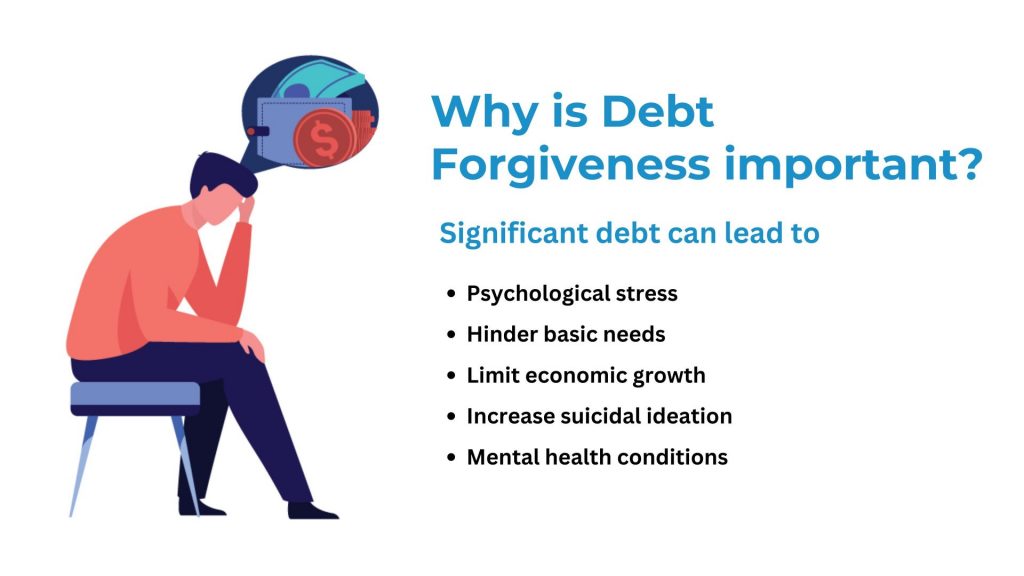
Clinical depression, anxiousness, and various other psychological wellness problems. Social Stigma Facing lawsuit from the internal revenue service can bring social preconception. Damage to credibility and connections. Work Opportunities A poor credit rating due to strain financial debt can limit employment possibility. Difficulty finding or keeping a task. Government Benefits Tax financial debt might impact qualification for federal government benefits, such as Social Security and Medicaid.
The Only Guide for "Dating and Debt: How Financial Health Impacts Modern Relationships : APFSC Ruins Your Credit" and Other Lies
The OIC considers a number of variables, including the taxpayer's earnings, expenditures, possession equity, and capacity to pay. Effectively bargaining an OIC can be intricate, requiring a thorough understanding of the internal revenue service's standards and a strong disagreement for why your offer aligns with your ability to pay. It's important to keep in mind that not all applications are approved, and the procedure needs comprehensive monetary disclosure.
The internal revenue service assesses your total financial situation, including your earnings, expenses, possession equity, and ability to pay. You should likewise be present with all filing and repayment needs and not be in an open insolvency case. The IRS additionally considers your compliance background, examining whether you have a document of timely filing and paying taxes in previous years.
The 3-Minute Rule for Monetary Implications the Expense of Bankruptcy Counseling
The application process for an Offer in Concession includes several thorough steps. Initially, you must finish and submit internal revenue service Form 656, the Offer in Compromise application, and Type 433-A (OIC), a collection info declaration for individuals. These types need extensive financial details, consisting of details concerning your earnings, financial obligations, costs, and possessions.
Back tax obligations, which are unsettled tax obligations from previous years, can substantially enhance your overall IRS debt otherwise dealt with quickly. This financial debt can build up rate of interest and late settlement fines, making the original quantity owed much larger with time. Failing to pay back taxes can cause the IRS taking enforcement activities, such as releasing a tax lien or levy against your residential or commercial property.
It is very important to attend to back taxes asap, either by paying the total owed or by setting up a payment plan with the IRS. By taking aggressive steps, you can avoid the buildup of extra interest and fines, and protect against more aggressive collection actions by the internal revenue service.
One usual reason is the idea that the taxpayer can pay the full quantity either as a round figure or through a repayment strategy. The internal revenue service also takes into consideration the taxpayer's income, expenses, asset equity, and future earning possibility. If these elements suggest that the taxpayer can afford to pay greater than the used amount, the internal revenue service is most likely to decline the offer.
3 Simple Techniques For Sector Developments in Debt Forgiveness Solutions
It is critical to give precise and total information in your application and to talk to a tax specialist to boost the possibilities of acceptance. Dealing with internal revenue service financial obligation can be intricate and challenging. Tax specialists, such as CPAs, tax lawyers, or enlisted agents, can offer very useful assistance. They have the experience to browse the complexities of tax obligation regulation and IRS treatments.

Table of Contents
Latest Posts
The Ultimate Guide To Long-Term Effects on 7 Expert-Approved Ways to Pay Off Credit Card Debt Faster in 2025 : APFSC Decisions
)
Lasting Effects of How Bankruptcy Counseling Helps You Avoid Future Garnishments and Judgments Choices - Questions
The 15-Second Trick For How to Not Return to the Old Patterns After Your Fresh Start
More
Latest Posts
The Ultimate Guide To Long-Term Effects on 7 Expert-Approved Ways to Pay Off Credit Card Debt Faster in 2025 : APFSC Decisions
Lasting Effects of How Bankruptcy Counseling Helps You Avoid Future Garnishments and Judgments Choices - Questions
The 15-Second Trick For How to Not Return to the Old Patterns After Your Fresh Start