Featured
Getting The Legal Factors Related to Kickstart Your Credit Goals & Understand Your Credit Score: APFSC To Work
Table of Contents
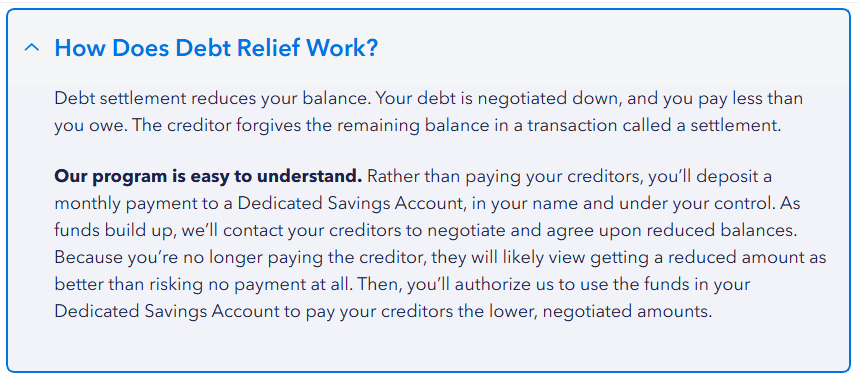
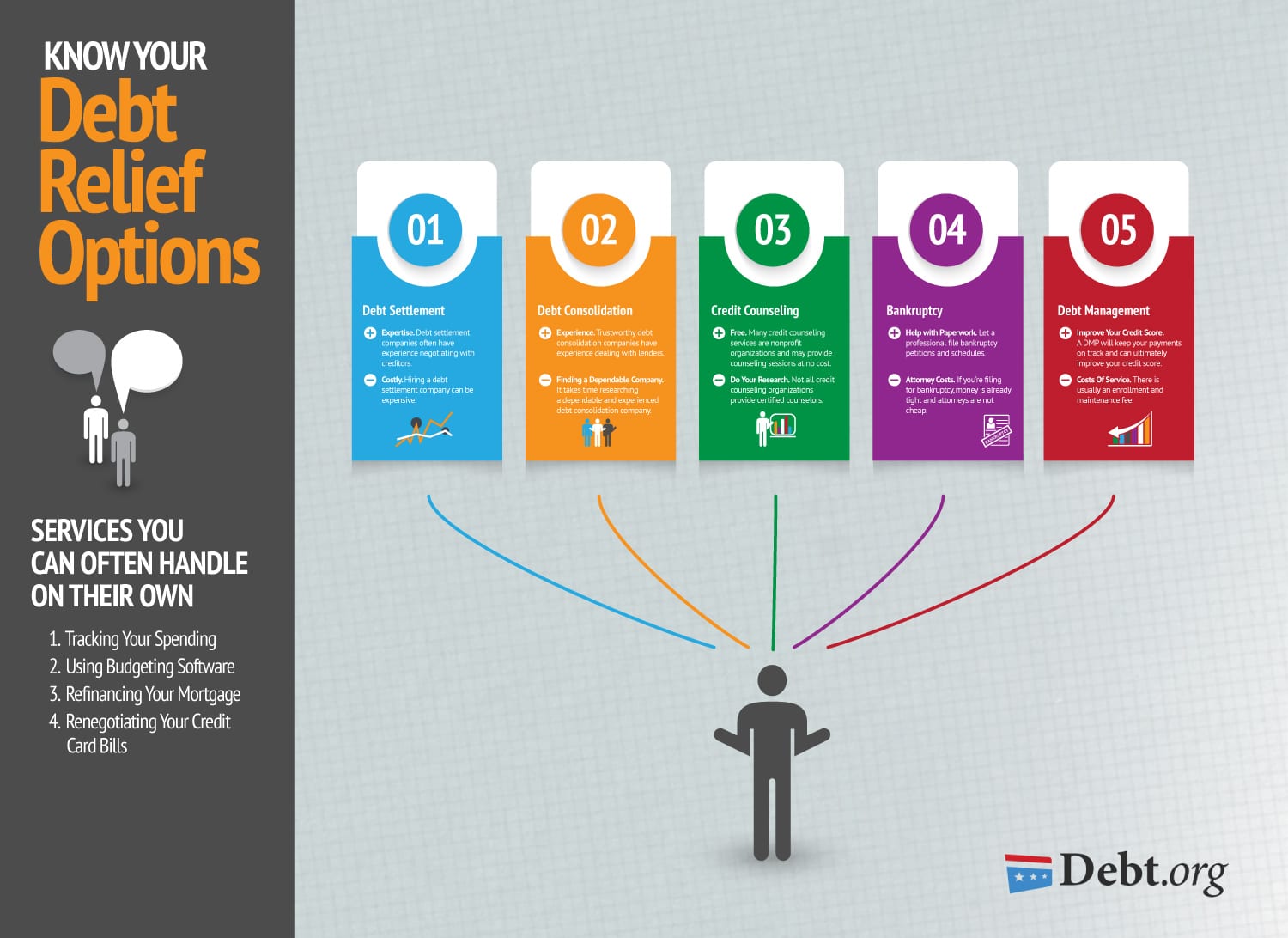
That frees up money in the short-term, and you may have three to 4 years to conserve toward the negotiation quantity. Very harmful to credit history, largely because of missed out on settlements and an adverse "resolved" mark that might remain on your credit record for up to seven yearsMay be just alternative if other options (financial obligation combination, balance transfer credit history cards, financial obligation mercy) aren't possibleTypically calls for a charge to the third event, which might counter some or every one of the cost savings from financial debt settlementMay aid you avoid insolvency if you have actually missed out on numerous paymentsNot all lenders deal with financial debt settlement firms Financial obligation mercy may be ideal for you if you are experiencing a financial challenge that makes it nearly difficult to pay for your financial debt equilibriums.
With a DMP, you make one monthly repayment to the credit rating therapy firm. Those funds are then distributed to financial institutions of your unprotected debts, such as bank card and installment lendings. The firm deals with your financial institutions to lower rates of interest or waive costs, yet some creditors may reject such giving ins.
A financial debt loan consolidation finance combines your eligible financial debts into one brand-new lending. It can assist you pay down financial obligation if you're able to safeguard a finance price that's less than the average rate of the accounts you're consolidating. However, you need to avoid acquiring financial obligation on those recently gotten rid of accounts or your financial obligation might expand even greater.
That offers you lots of time to remove or dramatically decrease your balance while making interest-free settlements.
National Initiatives That Offer Kickstart Your Credit Goals & Understand Your Credit Score: APFSC Things To Know Before You Buy
You may require it if your lender or a debt collector ever before tries to collect on the debt in the future. The letter can verify you do not owe what the debt collector's documents reveal. Yes, in most situations, the internal revenue service considers forgiven financial debt as gross income. When a lending institution forgives $600 or more, they are needed to send you Kind 1099-C.
Financial debt forgiveness or settlement usually harms your credit. Anytime you clear up a debt for much less than you owe, it may show up as "settled" on your credit history report and influence your credit history for 7 years from the day of settlement. Your credit rating can additionally go down substantially in the months causing the mercy if you fall back on settlements.
The smart Trick of Preventing the Previous Mistakes After Kickstart Your Credit Goals & Understand Your Credit Score: APFSC That Nobody is Talking About
This situation frequently results from underreporting earnings, not filing returns on time, or inconsistencies found throughout an IRS audit. The effects of gathering tax obligation debt are severe and can consist of tax obligation liens, which give the IRS a legal case to your residential property as security for the financial obligation.
Earnings and Financial institution Accounts IRS can impose (confiscate) salaries and financial institution accounts to please the debt. Building Seizure In severe instances, the IRS can confiscate and market building to cover the financial debt.
Social Stigma Facing legal activity from the Internal revenue service can lug social stigma. Work Opportunities A bad credit scores rating due to strain debt can limit employment opportunities. Government Advantages Tax debt may impact eligibility for federal government advantages, such as Social Protection and Medicaid.
Rumored Buzz on How Ignoring to Get Debt Help Causes Things Worse
The OIC thinks about a number of elements, consisting of the taxpayer's revenue, expenditures, possession equity, and capacity to pay. Successfully bargaining an OIC can be complex, requiring a comprehensive understanding of the IRS's standards and a solid debate for why your offer straightens with your capacity to pay. It's vital to note that not all applications are accepted, and the process calls for in-depth financial disclosure.
The IRS assesses your general monetary scenario, including your income, costs, asset equity, and ability to pay. You need to additionally be current with all declaring and settlement requirements and not remain in an open personal bankruptcy case. The IRS additionally considers your conformity history, evaluating whether you have a document of timely declaring and paying taxes in previous years.
The Single Strategy To Use For Pricing Clarity to Avoid
The application process for a Deal in Compromise involves several comprehensive steps. You should complete and submit Internal revenue service Form 656, the Deal in Concession application, and Type 433-A (OIC), a collection info declaration for people. These types call for detailed monetary information, consisting of details about your income, debts, costs, and possessions.
Back taxes, which are unsettled taxes from previous years, can significantly enhance your complete IRS financial debt otherwise dealt with quickly. This debt can accumulate interest and late settlement fines, making the original amount owed much bigger over time. Failing to repay taxes can lead to the IRS taking enforcement actions, such as providing a tax lien or levy against your building.
It is crucial to deal with back taxes asap, either by paying the full quantity owed or by arranging a layaway plan with the internal revenue service. By taking proactive actions, you can stay clear of the build-up of added interest and penalties, and stop a lot more aggressive collection actions by the IRS.
One common reason is the idea that the taxpayer can pay the full amount either as a round figure or via a layaway plan. The internal revenue service additionally thinks about the taxpayer's revenue, expenditures, asset equity, and future earning potential. If these elements show that the taxpayer can manage to pay greater than the offered amount, the internal revenue service is likely to turn down the deal.
The Definitive Guide to Legal Aspects in Debt Forgiveness
It is essential to offer precise and complete details in your application and to seek advice from a tax obligation expert to enhance the possibilities of acceptance. Handling IRS financial debt can be complex and difficult. Tax experts, such as CPAs, tax obligation lawyers, or signed up agents, can provide important assistance. They have the competence to navigate the intricacies of tax regulation and IRS treatments.

Table of Contents
Latest Posts
The Ultimate Guide To Long-Term Effects on 7 Expert-Approved Ways to Pay Off Credit Card Debt Faster in 2025 : APFSC Decisions
)
Lasting Effects of How Bankruptcy Counseling Helps You Avoid Future Garnishments and Judgments Choices - Questions
The 15-Second Trick For How to Not Return to the Old Patterns After Your Fresh Start
More
Latest Posts
The Ultimate Guide To Long-Term Effects on 7 Expert-Approved Ways to Pay Off Credit Card Debt Faster in 2025 : APFSC Decisions
Lasting Effects of How Bankruptcy Counseling Helps You Avoid Future Garnishments and Judgments Choices - Questions
The 15-Second Trick For How to Not Return to the Old Patterns After Your Fresh Start